From Player to Coach: Ljubicic's Insights on Djokovic, Federer, and Nadal
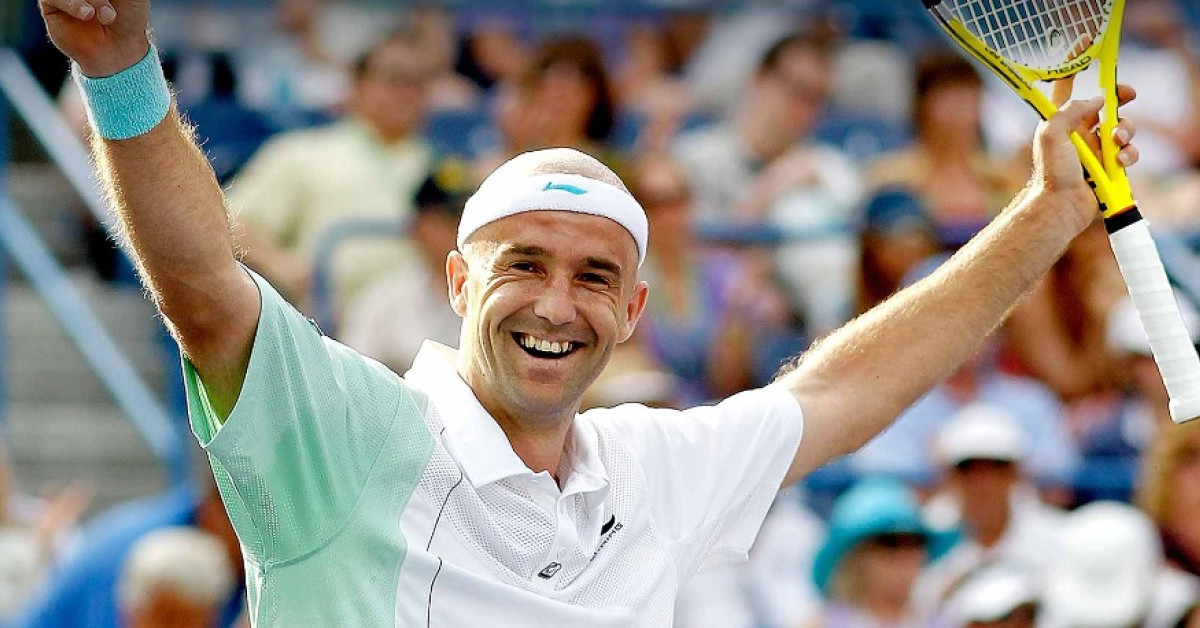
In the dynamic world of professional tennis, few figures offer as unique and comprehensive a perspective as Ivan Ljubicic. Transitioning seamlessly from a formidable top-tier player to a highly respected and impactful coach, Ljubicic has carved out a singular niche. His career arc has provided him with an intimate understanding of the sport, not only as a competitor facing its greatest titans but also as a strategic architect behind one of its most celebrated champions, Roger Federer. His insights into the contrasting games and legacies of Novak Djokovic, Roger Federer, and Rafael Nadal are invaluable, painting a nuanced picture of their individual brilliance and collective ljubicic impact tennis on the sport.
The Strategic Architect: Ivan Ljubicic's Transformative Role with Roger Federer
The announcement in late 2015 that Ivan Ljubicic would join Roger Federer's coaching team for the 2016 season sent ripples through the tennis world. Following the amicable departure of childhood idol Stefan Edberg, Federer sought a fresh perspective, and in Ljubicic, he found an ideal fit. Ljubicic’s appointment proved to be a masterstroke, injecting new tactical dimensions into Federer’s already illustrious game and significantly contributing to his remarkable late-career resurgence.
One of the most compelling reasons for Ljubicic's success with Federer stemmed from their stylistic similarities. Commentators during Ljubicic's playing days often dubbed him a "poor man's Federer" due to his elegant one-handed backhand and versatile all-court game. While his consistency and level might not have matched Federer's, this inherent similarity meant Ljubicic possessed an unparalleled understanding of the perks and pitfalls associated with that playing style. He knew instinctively how to maximize Federer's strengths, such as his sublime serve and forehand, and identify subtle areas for improvement or strategic adjustments to mitigate potential weaknesses.
Furthermore, Ljubicic's extensive competitive history against Federer himself—facing him 16 times on tour—provided an invaluable database of firsthand experience. This unique insight into Federer's game, both from across the net and through shared tactical sensibilities, placed him in a prime position to offer targeted advice. Beyond Federer, Ljubicic's experience competing against many of the veterans still active on tour during his coaching tenure further enriched his strategic understanding of the modern game and its key players.
Ljubicic's coaching credentials were not limited to his playing days. Before joining Federer, he enjoyed a highly successful stint coaching Milos Raonic, helping the Canadian ascend through the rankings. This demonstrated his ability to identify and nurture talent, enhance strengths, and effectively scout competition—skills that were directly transferable to the Federer camp. The strategic data he gathered while scouting opponents for Raonic, though perhaps requiring adaptation for Federer's different game, was certainly not wasted. This blend of personal playing experience, tactical acumen, and proven coaching success solidified Ljubicic's reputation as a top-tier coach, leaving a significant ljubicic impact tennis on Federer's career. To delve deeper into this partnership, read The Strategic Impact: How Ivan Ljubicic Elevated Roger Federer's Game.
Navigating the Toughest Foe: Ljubicic's Perspective on Novak Djokovic
Beyond his coaching triumphs, Ivan Ljubicic offers candid and revealing insights into the "Big Three" from his perspective as a player. When asked about his most challenging opponent, Ljubicic unequivocally points to Novak Djokovic. This admission from a former world No. 3, who possessed a formidable serve and powerful groundstrokes, speaks volumes about Djokovic's unique attributes.
Ljubicic's primary reason for deeming Djokovic his toughest adversary centered on the Serb's uncanny ability to neutralize big serves. As a player who heavily relied on his serve as a weapon, Ljubicic found Djokovic's return game to be an impenetrable wall. Djokovic's exceptional court coverage, elasticity, and incredible depth on returns effectively disarmed Ljubicic's most potent weapon, forcing him into rally situations where Djokovic's all-around completeness often prevailed. This isn't merely about hitting returns in; it's about consistently landing them deep, denying opponents easy points and immediately putting them on the defensive.
From a player's standpoint, facing Djokovic often felt like an uphill battle, regardless of one's own form. His defensive prowess, combined with an ability to turn defense into offense with bewildering speed, created a suffocating pressure that few players could sustain. This firsthand experience against Djokovic would have been invaluable for Ljubicic as he helped Federer craft game plans. Understanding the sheer difficulty of breaking Djokovic's rhythm and penetrating his defense from a personal perspective allowed Ljubicic to convey the magnitude of the challenge and strategize unique approaches to exploit even the smallest openings.
For aspiring players, Ljubicic's insights into facing Djokovic highlight the importance of developing a multifaceted game. Relying on a single weapon, no matter how potent, can be vulnerable against an opponent capable of neutralizing it. Djokovic's mastery in this regard underscores the value of supreme athleticism, mental fortitude, and a relentless return game in modern tennis.
The Legacy Debate: Federer, Nadal, and Djokovic's Enduring Impact on Tennis
Perhaps one of Ljubicic's most thought-provoking observations concerns the overall impact of the "Big Three" on tennis. While acknowledging Novak Djokovic's unparalleled statistical dominance and relentless pursuit of records, Ljubicic has suggested that Roger Federer and Rafael Nadal collectively had a greater initial and broader cultural ljubicic impact tennis on the sport. This isn't a dismissal of Djokovic's achievements but rather a deeper exploration of what "impact" truly encompasses beyond Grand Slam titles.
Cultural and Fan Engagement: Federer's elegance, artistry, and effortless style transcended the sport, attracting new legions of fans who might not have followed tennis otherwise. He was a global icon whose mere presence elevated tournaments and captivated audiences worldwide. Nadal, with his gladiatorial spirit, unyielding intensity, and raw emotion, forged an equally powerful connection, inspiring millions with his fighting spirit and never-say-die attitude. Their legendary rivalry, particularly at its peak, created narratives that drew unprecedented attention, expanding tennis's reach far beyond its traditional fan base.
Stylistic Influence: Federer's all-court game, combining power with touch, served as a blueprint for holistic tennis. His one-handed backhand, while challenging, inspired a generation. Nadal's unique blend of extreme topspin, relentless physicality, and clay-court dominance redefined baseline play and athleticism, particularly on clay. While Djokovic's complete game, superhuman defense, and revolutionary return game have set new benchmarks for physical and mental prowess, the initial "wow" factor and aesthetic appeal that drew many new eyes to the sport often belonged to the earlier chapters of the Federer-Nadal saga.
Ljubicic's perspective suggests that Federer and Nadal, early in their careers, perhaps had a more immediate and widespread effect on growing the sport's popularity and defining its aesthetic ideals. Djokovic's impact, while profound and undeniable in terms of setting new standards for achievement and physical preparation, might be viewed as a more gradual and competitive evolution rather than a sudden burst of new engagement. It's a nuanced argument that encourages us to consider the various facets of a player's legacy—from statistical dominance to cultural resonance and aesthetic appeal. For further insights into this discussion, explore Ljubicic's Verdict: Why Federer & Nadal Outshone Djokovic's Tennis Impact.
Lessons from the Bench: What Ljubicic's Journey Teaches Aspiring Coaches and Players
Ivan Ljubicic's dual career path offers a wealth of practical lessons for anyone involved in tennis, whether on court or from the sidelines.
- For Aspiring Coaches:
- Deep Game Understanding: Ljubicic's success with Federer highlights the immense value of a coach who profoundly understands a player's game style, its inherent advantages, and its potential vulnerabilities. Seek to truly understand the mechanics and psychology of your charge's game.
- Leverage Past Experience: His history playing against top opponents, including Federer and many veterans, provided a tactical edge. Coaches should draw upon their own playing insights and constantly analyze current competition.
- Strategic Scouting: Ljubicic's work with Raonic underscored the importance of diligent opposition analysis and tailoring game plans. No two players are alike, and effective coaching requires bespoke strategies.
- Adaptability and Evolution: The game constantly evolves. A great coach, like Ljubicic, must be capable of identifying new trends, adapting tactics, and encouraging continuous growth in their players.
- For Aspiring Players:
- Self-Awareness is Key: Understand your own strengths and weaknesses. Just as Ljubicic knew his serve was a weapon (and vulnerable to Djokovic's return), players must know their primary assets and potential liabilities.
- Versatility Against Top Opponents: Ljubicic's struggle against Djokovic's return game illustrates that relying on a single dominant weapon can be exploited. Develop a well-rounded game to compete at the highest levels.
- Value of a Strategic Coach: Federer's choice of Ljubicic shows the impact a coach who deeply understands both your game and the competition can have. Seek out coaches who can provide more than just technical instruction, offering profound tactical insights.
Conclusion
Ivan Ljubicic's journey from a formidable professional player to a highly influential coach provides a rare and illuminating window into the intricacies of elite tennis. His personal encounters with the game's greatest, particularly Novak Djokovic, Roger Federer, and Rafael Nadal, combined with his strategic prowess as Federer's coach, offer an unparalleled depth of insight. Whether dissecting Djokovic's impenetrable defense, refining Federer's already magnificent game, or sparking a broader conversation about the various facets of legacy, Ljubicic's observations continue to enrich our understanding of the sport. His lasting ljubicic impact tennis is not just in his own achievements, but in the unique perspective he offers on the legends who have shaped the modern era, reminding us that true influence extends far beyond mere statistics.